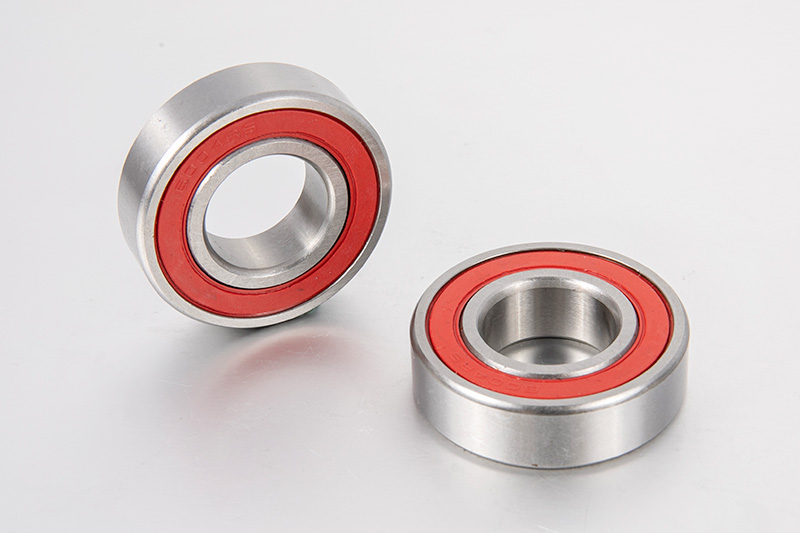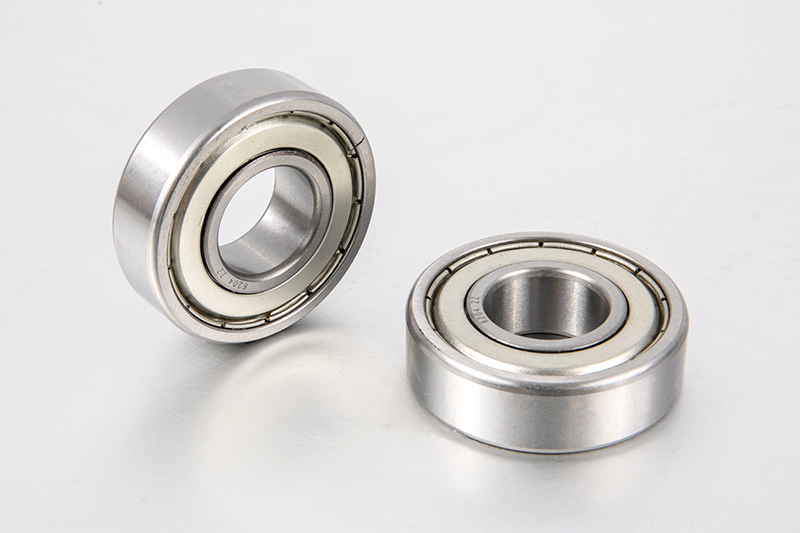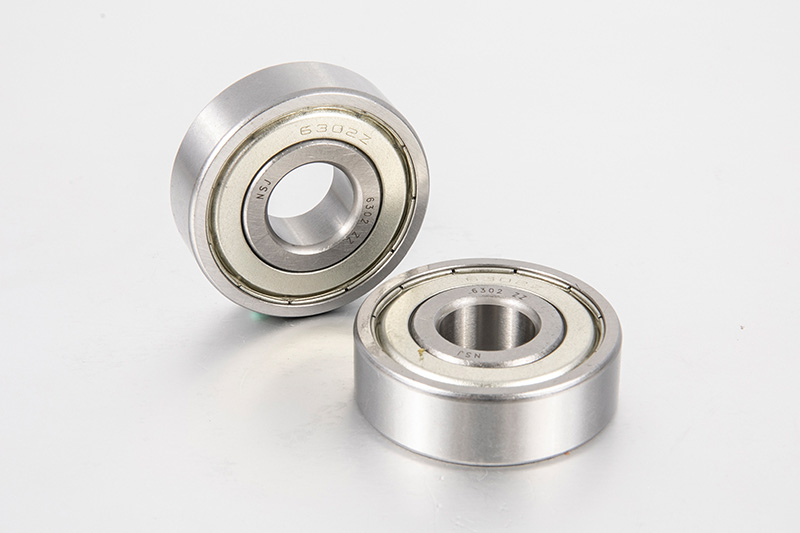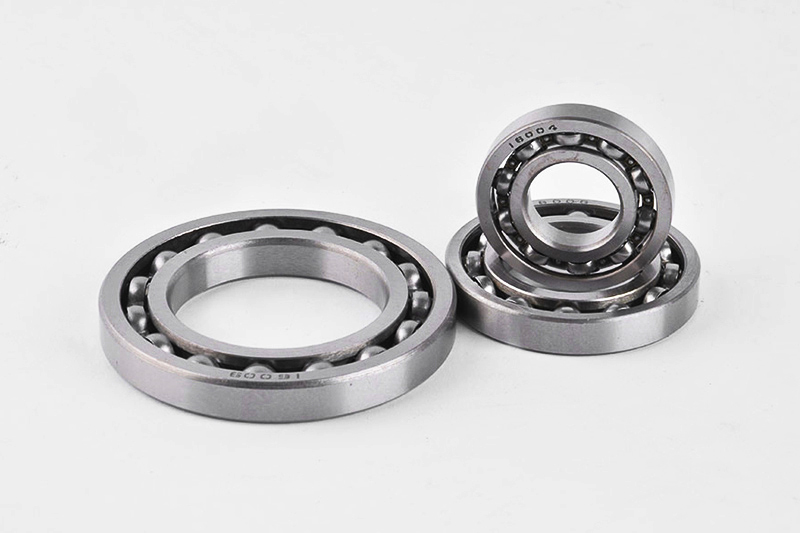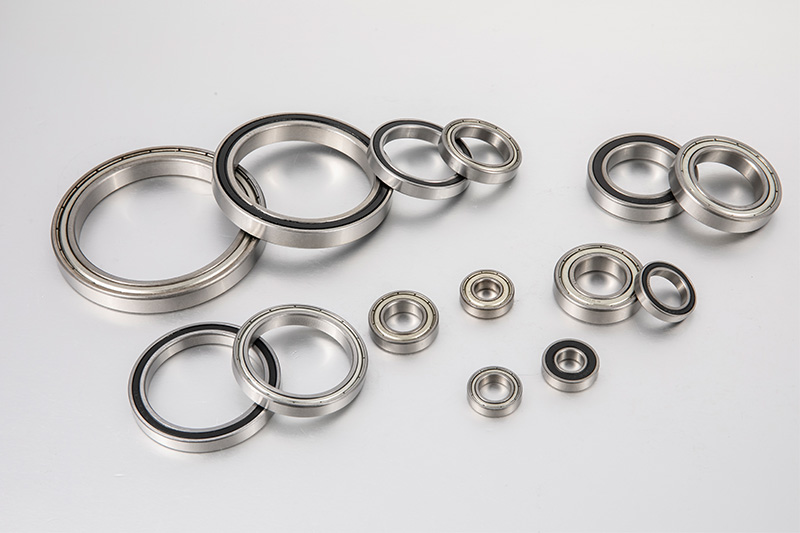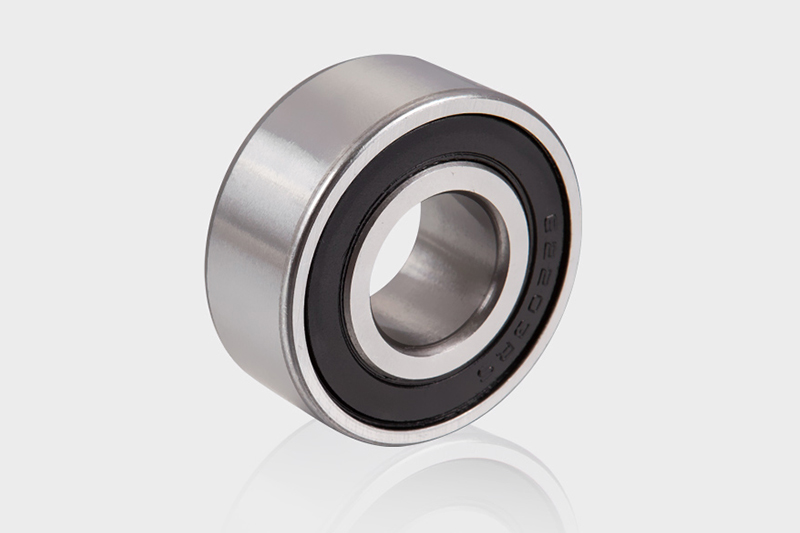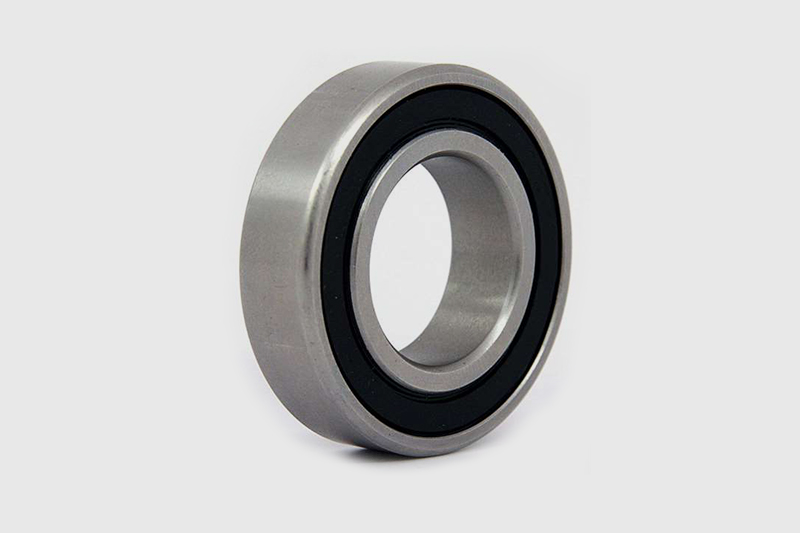


Una respuesta sencilla a qué es un rodamiento rígido de bolas, cómo se construye un rodamiento rígido de bolas de una hilera y dónde se utilizan realmente en maquinaria los tamaños comunes, como el rodamiento 6208, el rodamiento 6306 y el 6202 ZZ.
Si alguien pregunta qué es un rodamiento rígido de bolas en una frase, la respuesta honesta es la siguiente: es el caballo de batalla de uso general del mundo de los rodamientos, elegido para aproximadamente el setenta por ciento de todas las aplicaciones de rodamientos porque es fácil de instalar, tolera la desalineación dentro de un rango pequeño, tiene un funcionamiento silencioso y puede funcionar a alta velocidad de rotación sin dejar de soportar una carga significativa. Una vez que comprenda la geometría de la ranura que le da nombre al rodamiento, todo lo demás sobre su comportamiento, sus códigos de tamaño y sus usos sigue de forma natural.
Un rodamiento rígido de bolas explicado desde adentro hacia afuera
Un rodamiento rígido de bolas recibe su nombre de la forma de la pista de rodadura. Tanto en el aro interior como en el aro exterior, los ingenieros cortaron una ranura cuya curvatura es sólo ligeramente mayor que la curvatura de la propia bola. Debido a que ese surco está cortado profundamente en lugar de superficial, la bola se asienta en una cavidad que envuelve una porción más grande de su superficie de lo que permitiría un surco poco profundo. Esa envoltura adicional de contacto es lo que permite que el rodamiento resista la fuerza que empuja hacia los lados a lo largo del eje, no solo la fuerza que empuja hacia abajo.
Los cuatro componentes principales
- Anillo interior, presionado o deslizado sobre el eje giratorio, con una ranura de pista endurecida mecanizada alrededor de su cara exterior
- Anillo exterior, asentado en una carcasa o orificio, con una ranura coincidente mecanizada alrededor de su cara interior.
- Complemento de bolas, un conjunto de bolas de acero cromado endurecido que ruedan entre las dos ranuras.
- Jaula o retenedor, generalmente de acero prensado o polímero moldeado, que mantiene las bolas espaciadas uniformemente para que no choquen.
Por qué es importante la profundidad del surco
Una ranura poco profunda permite que la bola caiga lateralmente bajo un empuje axial. Una ranura profunda mantiene la bola en su lugar desde más ángulos, por lo que el mismo rodamiento puede aceptar un eje que gira, un eje que se empuja a lo largo de su propio eje y un eje que hace un poco de ambas cosas a la vez, todo sin necesidad de un segundo tipo de rodamiento para compartir el trabajo.
Respuesta corta para una referencia rápida.
Un rodamiento rígido de bolas es un rodamiento sellado o abierto con bolas que giran en ranuras profundas y estrechamente conformadas en los anillos interior y exterior, construido para soportar carga radial como trabajo principal y al mismo tiempo absorber carga axial en ambas direcciones, a velocidades de rotación que pueden alcanzar decenas de miles de revoluciones por minuto en tamaños pequeños.
¿Para qué se utilizan los rodamientos rígidos de bolas?
Personas que buscan lo que son rodamientos rígidos de bolas Los usuarios que utilizan normalmente intentan averiguar si este tipo de rodamiento se adapta a su máquina. La respuesta honesta es que se adapta a casi cualquier eje giratorio que no necesite soportar una carga de empuje pura y pesada por sí solo. A continuación se muestra un desglose por industria, ya que las aplicaciones varían bastante en escala aunque el principio de funcionamiento sigue siendo el mismo.
| Industria | Componente típico | Por qué se elige este rodamiento |
| motores electricos | Eje del motor, tanto en el extremo impulsor como en el extremo no impulsor | Baja fricción, funcionamiento silencioso y buen comportamiento a alta velocidad para motores de estructura pequeña y mediana. |
| electrodomésticos | Tambor de lavadora, motor de ventilador, eje de licuadora | Tamaño compacto y larga vida útil de la grasa en una unidad sellada y sin mantenimiento |
| Automotriz | Alternador, bomba de agua, contraeje de caja de cambios, asistente de cubo de rueda | Maneja cargas radiales y axiales ligeras combinadas provenientes de la tensión de la correa y el desplazamiento del eje. |
| Maquinaria agrícola | Cajas de cambios, rodillos transportadores, husillos de cosechadoras. | Tolerante al polvo y desalineación moderada cuando se instalan variantes selladas |
| herramientas eléctricas | Taladro, amoladora angular, husillo de sierra | Tamaño envolvente pequeño con clasificación de alta velocidad para carcasas de motor compactas |
| Transportador y manipulación de materiales. | Rodillos locos, ejes de poleas | Montaje simple, bajo costo y vida útil confiable bajo carga constante |
| Bombas y compresores | Soporte del eje del impulsor | Maneja el ligero empuje generado por la presión del fluido junto con el peso del eje. |
| Cajas de cambios y reductores | Soporte del eje de entrada y salida | Combina soporte radial con posicionamiento axial del tren de engranajes. |
En resumen, siempre que un eje necesita girar libremente mientras permanece centrado, y siempre que existe al menos alguna posibilidad de un pequeño empuje lateral a lo largo del eje, un rodamiento rígido de bolas suele ser el primer rodamiento que un ingeniero busca. Sólo cuando la carga axial se convierte en la fuerza dominante, como en una columna de empuje vertical, los ingenieros cambian a un rodamiento de empuje o un rodamiento de contacto angular. Incluso en máquinas de servicio mixto que combinan varias direcciones de carga a la vez, como una caja de cambios que recibe tanto la carga lateral de la malla del engranaje como un ligero empuje de los dientes de los engranajes helicoidales, un rodamiento rígido de bolas del tamaño correcto con frecuencia es capaz de soportar toda la carga combinada por sí solo, lo que mantiene el número de piezas y el costo de ensamblaje de la máquina más bajos que un diseño construido alrededor de dos o tres tipos de rodamientos especializados.
Rodamiento rígido de bolas de una hilera frente a rodamientos de doble hilera
El rodamiento rígido de bolas de una hilera es la versión que la mayoría de las personas imagina cuando escuchan el término. Tiene una fila de bolas que corren en una ranura en cada anillo y cubre la gran mayoría de aplicaciones industriales y de consumo en general. Una versión de doble fila simplemente duplica el complemento de bolas una al lado de la otra dentro de un juego de anillos más ancho, lo que eleva la capacidad de carga radial para un tamaño de orificio determinado sin cambiar la familia de geometría exterior.
Tipo de fila única
Huella más estrecha, menor peso, menor costo y disponible en la más amplia gama de tamaños de orificio estándar. Esta es la versión utilizada en motores, bombas, cajas de cambios y casi todos los productos de consumo. Cuando alguien simplemente dice rodamiento rígido de bolas sin calificar, casi siempre se refiere a este diseño de una sola hilera.
Tipo de doble fila
Aproximadamente entre un sesenta y un ochenta por ciento más de capacidad de carga radial que un rodamiento de una hilera del mismo diámetro, a costa de un ancho adicional. Se utiliza cuando hay espacio disponible a lo largo del eje pero el espacio alrededor del eje es limitado, como ciertas etapas de cajas de engranajes y rodillos de alta resistencia.
Variantes de sellado y blindaje
Más allá del número de filas, el juego de anillos de rodamiento abiertos se puede terminar con un escudo o un sello, y esto cambia el sufijo en el número de pieza.
- ZZ Se presiona un protector metálico en una ranura a cada lado del anillo exterior, cerca del anillo interior pero sin tocarlo. Esto evita la entrada de residuos grandes y retiene la grasa, al tiempo que permite un funcionamiento a muy alta velocidad porque no hay contacto de fricción. Un rodamiento 6202 ZZ es un ejemplo común de esta construcción.
- RS o 2RS Un sello de goma hace contacto ligeramente con el anillo interior, brindando una protección más fuerte contra el polvo, las salpicaduras y la humedad que un escudo, a costa de una pequeña cantidad de fricción adicional y una velocidad máxima ligeramente menor.
- Abierto Sin protección ni sello en absoluto, se usa donde la propia carcasa proporciona sellado, o donde la aplicación necesita acceso a relubricación, o donde la temperatura de funcionamiento es demasiado alta para el material del sello de caucho.
- C3, C4 Códigos de juego interno que indican un ajuste ligeramente más flojo entre bolas y ranuras que el juego estándar, que a menudo se especifica para rodamientos de motores eléctricos que se calientan durante el funcionamiento y necesitan espacio adicional para expandirse.
Tamaños comunes de rodamientos rígidos de bolas y sus especificaciones
Los números de pieza de los rodamientos parecen crípticos al principio, pero la serie de rodamientos rígidos de bolas es una de las más estandarizadas en todo el catálogo de rodamientos. El número 6 al comienzo de un código identifica la serie de rodamientos rígidos de bolas, los siguientes dígitos identifican la serie de dimensiones y los dos últimos dígitos, multiplicados por cinco, dan el diámetro del orificio en milímetros para la mayoría de los tamaños estándar. A continuación se muestra una tabla de referencia para algunos de los tamaños solicitados con más frecuencia, incluidos los rodamientos 6208, los rodamientos 6306, los rodamientos 6301, los rodamientos 6206, los rodamientos 6207, los rodamientos 6302 y los rodamientos 6304.
| Número de pieza | aburrido | Diámetro exterior | Ancho | Clasificación de carga dinámica | Uso típico |
| 6202 ZZ | 15 milímetros | 35mm | 11 milímetros | alrededor de 5,85 kN | Motores pequeños, ejes de ventilador, ruedas estilo patineta. |
| Rodamientos 6206 | 30 milímetros | 62mm | 16mm | alrededor de 19,5 kN | Motores eléctricos de tamaño mediano, bombas de agua. |
| 6207 rodamientos | 35mm | 72mm | 17mm | alrededor de 25,5 kN | Árboles de cajas de cambios, maquinaria agrícola |
| 6208 rodamiento | 40mm | 80 milímetros | 18mm | alrededor de 29,5 kN | Motores industriales en general, sopladores, poleas transportadoras. |
| 6301 rodamiento | 12 milímetros | 37mm | 12 milímetros | alrededor de 9,5 kN | Husillos compactos para herramientas eléctricas, bombas de engranajes pequeñas |
| 6302 rodamientos | 15 milímetros | 42mm | 13mm | alrededor de 11,4 kN | Alternadores, ejes de bombas pequeños |
| 6304 rodamientos | 20mm | 52mm | 15 milímetros | alrededor de 15,8 kN | Cajas de cambios, ejes de bombas hidráulicas |
| 6306 rodamiento | 30 milímetros | 72mm | 19mm | alrededor de 27 kN | Motores industriales medianos, cajas de cambios para maquinaria agrícola. |
Observe que el número de orificios de la serie 6300 crece más rápido en relación con el tamaño del orificio que la serie 6200. Esto se debe a que la serie 6200 pertenece a la familia de dimensiones extra livianas, mientras que la serie 6300 pertenece a la familia de dimensiones medianas, lo que significa que un rodamiento 6304 lleva anillos más gruesos y una sección transversal más ancha que un rodamiento 6204, aunque ambos comparten un diámetro interior de 20 mm. Esta es exactamente la razón por la que el prefijo de la serie de dimensiones es tan importante como el código de orificio cuando un técnico busca una pieza de repuesto.
Leer un número de pieza paso a paso
Tomemos como ejemplo el rodamiento 6208. El 6 inicial lo marca como un rodamiento rígido de bolas. El 2 que sigue marca la serie de dimensiones ligeras. Los dos últimos dígitos, 08, multiplicados por cinco, dan un diámetro de 40 mm. Si le sigue un sufijo Z, ZZ, RS o 2RS, eso le indica la disposición del sellado, y si le sigue un C3, le indica que el rodamiento se ha construido con un juego interno adicional para la expansión térmica.
Cómo funciona realmente un rodamiento rígido de bolas bajo carga
Cuando un eje gira dentro de un rodamiento rígido de bolas, las bolas ruedan a lo largo de ambas pistas en lugar de deslizarse, lo que mantiene la fricción baja y la generación de calor modesta en comparación con un buje plano. La carga radial, es decir, la fuerza que empuja hacia abajo o hacia los lados del eje, se transfiere a través de las bolas que se encuentran más cercanas a la dirección de la carga en un momento dado y luego se extiende a medida que la jaula hace girar la bola colocada alrededor del anillo.
La carga axial, es decir, la fuerza que intenta empujar el eje a lo largo de su propia línea central, se transporta de manera diferente. Debido a que la ranura envuelve más de cada bola de lo que lo haría una ranura poco profunda, una porción de cada bola siempre está en contacto con una superficie lo suficientemente inclinada para resistir ese empuje lateral, en cualquier dirección a lo largo del eje. Esta capacidad dual, radial más axial en ambas direcciones, es la principal razón por la que este tipo de rodamiento se ha convertido en la opción predeterminada en tantas industrias. Un rodamiento de rodillos cónicos o un rodamiento de contacto angular puede soportar más carga axial en una dirección, pero generalmente debe combinarse con un segundo rodamiento para manejar la dirección opuesta, lo que agrega costos y complejidad de ensamblaje que un solo rodamiento rígido de bolas evita.
Capacidad de velocidad
Debido a que las bolas ruedan con contacto de rodadura puro y un deslizamiento mínimo, los rodamientos rígidos de bolas toleran bien altas velocidades de rotación. Las versiones de diámetro pequeño, abiertas y sin blindaje en grados de precisión pueden alcanzar decenas de miles de revoluciones por minuto, razón por la cual este tipo de rodamiento aparece en husillos, motores pequeños y aplicaciones de herramientas eléctricas donde la velocidad importa tanto como la carga.
Generación de calor y factor de velocidad.
Cada rodamiento giratorio genera una pequeña cantidad de calor a partir de la fricción interna, y ese calor aumenta tanto con la carga como con la velocidad. Los catálogos expresan esta relación a través de un factor de velocidad, calculado a partir del tamaño del orificio y la velocidad de rotación juntos, ya que un rodamiento de gran diámetro que gira a una velocidad determinada genera más fricción superficial que un rodamiento de pequeño diámetro que gira a esa misma velocidad. Esta es una de las razones por las que un rodamiento 6202 ZZ pequeño puede funcionar cómodamente a una cifra de rpm mucho más alta que un rodamiento 6306 más grande, aunque ambos comparten la misma geometría de ranura básica y el mismo diseño interno. La selección de grasa, el material de la jaula y el juego interno son ajustados por el fabricante teniendo en cuenta este factor de velocidad, por lo que sustituir una clase de juego inusual o una grasa incompatible puede reducir silenciosamente la velocidad de funcionamiento segura de un rodamiento que de otro modo tendría el tamaño correcto.
Ventajas y limitaciones de un vistazo
donde sobresale
- Maneja cargas radiales y cargas axiales moderadas desde un solo componente
- Funciona silenciosamente con baja fricción y baja acumulación de calor.
- Disponible en una enorme variedad de tamaños de orificio estándar, desde unos pocos milímetros hasta varios cientos de milímetros.
- Fácil de montar, ya que las tolerancias del diámetro interior y exterior están estandarizadas en todo el mundo.
- Las versiones selladas necesitan poca o ninguna relubricación durante la vida útil del producto.
Donde no es la elección correcta
- La carga de empuje puramente pesada a lo largo de una dirección se soporta mejor con un cojinete de empuje
- Una carga de choque radial muy elevada favorece un rodamiento de rodillos cilíndricos con su mayor área de contacto
- Una gran desalineación entre el eje y la carcasa requiere en su lugar un rodamiento de bolas autoalineable o un rodamiento de rodillos a rótula.
- El servicio a temperaturas extremadamente altas puede exceder los límites de los materiales estándar de grasa y sellos de caucho.
Elegir el rodamiento rígido de bolas adecuado para un proyecto
Seleccionar un rodamiento correctamente evita fallas prematuras y tiempos de inactividad no planificados. Un proceso de selección práctico suele pasar por las siguientes comprobaciones en orden.
- Confirme el diámetro del orificio del eje y el diámetro del orificio de la carcasa, ya que estos fijan el código de tamaño del rodamiento antes de considerar cualquier otra cosa.
- Calcule la carga radial y cualquier carga axial que verá el eje durante el funcionamiento normal, luego compárela con la clasificación de carga dinámica en el catálogo del fabricante con un margen de seguridad incorporado.
- Verifique la velocidad de rotación requerida con la clasificación de velocidad límite del rodamiento, recordando que las versiones blindadas y selladas funcionan algo más lento que las versiones completamente abiertas.
- Decida el tipo de sellado según el entorno operativo, eligiendo protectores ZZ para condiciones interiores limpias y sellos 2RS para condiciones de polvo o humedad.
- Seleccione la holgura interna, con la holgura C3 comúnmente especificada para aplicaciones de motores eléctricos donde se acumula calor durante el funcionamiento.
- Confirmar que el tipo de grasa y el rango de temperatura coincidan con el ciclo de trabajo esperado y las condiciones ambientales de la máquina.
Una nota sobre las clases de tolerancia
La mayoría de las aplicaciones industriales funcionan bien con rodamientos de clase de tolerancia estándar. Las aplicaciones de precisión, como husillos de máquinas herramienta o motores de alta velocidad, pueden requerir una clase de tolerancia más estricta, lo que afecta el descentramiento y la precisión de rotación en lugar de la capacidad de carga en sí. Especificar una clase de precisión superior a la que la aplicación realmente necesita simplemente agrega costos sin agregar beneficios.
Guía de instalación y mantenimiento
Un rodamiento rígido de bolas bien seleccionado aún puede fallar prematuramente si se instala mal. Las siguientes prácticas prolongan significativamente la vida útil.
- Presione con fuerza sobre el anillo que tiene el ajuste de interferencia únicamente, nunca a través de las bolas, para evitar daños en la pista de rodadura.
- Caliente el anillo interior suavemente antes de montarlo en un eje de ajuste de interferencia en lugar de martillarlo en su lugar en frío.
- Mantenga el eje y la carcasa limpios de arena antes del montaje, ya que incluso las partículas finas atrapadas en la pista de rodadura acortan sustancialmente la vida útil ante la fatiga.
- Aplique la cantidad de grasa recomendada por el fabricante, ya que tanto el llenado excesivo como el insuficiente de un rodamiento sellado aumentan la temperatura de funcionamiento.
- Compruebe la alineación entre el eje y el orificio del alojamiento, ya que un rodamiento rígido de bolas tolera sólo una desalineación angular muy pequeña antes de que la distribución de la carga entre las bolas se vuelva desigual.
- Monitoree la temperatura de funcionamiento y el ruido durante la puesta en servicio, ya que un aumento en cualquiera de ellos suele ser la primera señal de advertencia de un problema de lubricación o alineación.
Materiales y fabricación de un rodamiento rígido de bolas.
El rendimiento de un rodamiento rígido de bolas se remonta a la materia prima y al proceso utilizado para darle forma mucho antes de que la pieza terminada llegue al cliente. Comprender la cadena de fabricación explica por qué dos rodamientos que parecen idénticos en el exterior pueden comportarse de manera muy diferente una vez instalados en una máquina en funcionamiento.
Material del aro y la bola.
La mayoría de los rodamientos rígidos de bolas están hechos de acero cromado endurecido, a menudo denominado por su designación de grado, que ofrece un buen equilibrio entre dureza, resistencia a la fatiga y costo para uso industrial en general. Los anillos se forjan primero para darles una forma aproximada, lo que alinea la estructura de grano interna a lo largo de la trayectoria de carga y proporciona un mejor rendimiento ante la fatiga que un anillo simplemente mecanizado a partir de barras. Después de forjar, los anillos pasan por torneado, tratamiento térmico, esmerilado y bruñido, y cada pista de rodadura se rectifica hasta obtener un acabado de espejo medido en fracciones de micrón. Las bolas se forman a partir de alambre, luego se muelen y se lapean en lotes hasta que cada bola de un conjunto coincida con las demás dentro de una tolerancia de tamaño extremadamente estricta, ya que incluso una pequeña discrepancia de tamaño dentro de un rodamiento obligaría a un puñado de bolas a soportar casi toda la carga mientras el resto se mueve casi libremente.
Para aplicaciones donde la humedad o la exposición a productos químicos son una preocupación, hay anillos y bolas de acero inoxidable disponibles, intercambiando una pequeña cantidad de capacidad de carga por resistencia a la corrosión. Las versiones híbridas de cerámica, que utilizan bolas de cerámica que giran en anillos de acero, aparecen en trabajos con husillo de alta velocidad donde una masa de bola más ligera reduce la carga centrífuga a velocidades de rotación extremas, aunque esta construcción queda fuera del uso estándar de uso general.
Construcción de jaulas
La jaula, a veces llamada retenedor o separador, mantiene las bolas espaciadas uniformemente alrededor de la pista para que no se amontonen ni choquen. Las jaulas de acero prensado son la opción más común para rodamientos de servicio estándar porque son económicas y lo suficientemente resistentes para velocidades típicas. Las jaulas de polímero moldeado, generalmente de nailon reforzado con vidrio, funcionan más silenciosamente y toleran una velocidad ligeramente mayor debido a su menor masa, razón por la cual aparecen a menudo en cojinetes de motores eléctricos y motores de electrodomésticos. Las jaulas de latón mecanizadas aparecen en aplicaciones de servicio más pesado o de mayor temperatura donde un polímero moldeado se ablandaría o una jaula prensada no mantendría su forma bajo carga.
Rodamiento rígido de bolas en comparación con otros tipos de rodamientos comunes
Los ingenieros rara vez eligen un tipo de rodamiento de forma aislada. Es útil ver cómo un rodamiento rígido de bolas se compara con otras familias de rodamientos con las que se compara con mayor frecuencia durante una revisión de diseño.
| Tipo de rodamiento | Capacidad radial | capacidad axial | Capacidad de velocidad | Más adecuado para |
| Rodamiento rígido de bolas | Moderado a bueno | Moderado, ambas direcciones | Alto | Ejes de uso general con carga combinada. |
| Rodamiento de bolas de contacto angular | moderado | Bueno, una dirección por rodamiento. | Alto | Husillos y ejes de bombas que necesitan un fuerte soporte de empuje unidireccional |
| Rodamiento de rodillos cilíndricos | Muy bueno | Poco o nada | moderado to high | Carga radial pesada con empuje mínimo, como ejes de caja de cambios |
| Rodamiento de rodillos cónicos | bueno | Bueno, una dirección por rodamiento. | moderado | Bujes y ejes de rueda con carga radial y de empuje pesada combinada |
| Rodamiento de bolas autoalineable | moderado | Luz | moderado to high | Ejes donde la alineación de la carcasa y el eje no se puede mantener con precisión |
| Rodamiento de bolas de empuje | Muy limitado | Muy bueno, one direction | Bajo a moderado | Ejes verticales que soportan carga axial pura |
Esta comparación es la razón por la que el rodamiento rígido de bolas sigue ocupando el lugar predeterminado en tantas listas de materiales. Rara vez gana directamente en una sola categoría frente a un tipo de rodamiento especializado, pero es el único tipo común que funciona bien en carga radial, carga axial y velocidad al mismo tiempo, y al mismo tiempo sigue siendo uno de los rodamientos menos costosos de producir y almacenar.
Opciones de lubricación y su efecto en la vida útil
Los ingenieros de rodamientos suelen describir la lubricación como el factor más importante que afecta la vida útil, incluso por delante de la capacidad de carga en muchas fallas del mundo real. Un rodamiento rígido de bolas se basa en una fina película de grasa o aceite para separar las bolas de la superficie de la pista de rodadura en el punto de contacto, y la falta de lubricación es una de las causas fundamentales más comunes de fallas tempranas de los rodamientos en el campo.
Lubricación con grasa
La gran mayoría de los rodamientos rígidos de bolas sellados y protegidos se envían preempaquetados con grasa dimensionada para la vida útil del rodamiento en condiciones de servicio normales. La grasa a base de litio cubre un amplio rango de temperaturas y se adapta a la mayoría de tareas industriales y de electrodomésticos. Las grasas especiales basadas en poliurea o aceites de base sintética extienden aún más el servicio en aplicaciones de motores de alta temperatura o en ciclos de trabajo con largos tiempos de funcionamiento continuo.
Lubricación con aceite
Abierto bearings running in a gearbox or pump housing that already carries a shared oil bath do not need their own grease charge at all, since the surrounding oil performs the same film forming job. Oil lubrication also carries heat away from the bearing more effectively than grease, which matters in high speed or high load duty where temperature rise becomes a limiting factor.
Como guía de planificación aproximada, los rodamientos rígidos de bolas sellados que funcionan en un ambiente limpio y con temperatura moderada a menudo pueden alcanzar varios años de servicio continuo sin ninguna relubricación, mientras que los rodamientos abiertos en un ambiente más severo pueden necesitar un relleno de grasa programado cada pocos meses dependiendo de la velocidad, la carga y la temperatura ambiente. Los catálogos de los fabricantes publican tablas de intervalos de relubricación específicas basadas en el tamaño del orificio y el factor de velocidad, y seguir ese cronograma es mucho más económico que un reemplazo de rodamiento no planificado.
Estándares y grados de precisión
Las dimensiones y tolerancias de los rodamientos rígidos de bolas siguen los estándares internacionales, razón por la cual un rodamiento comprado a un fabricante generalmente puede reemplazar a un rodamiento comprado a otro fabricante sin necesidad de rediseñar el eje o la carcasa circundante. Las dimensiones límite, es decir, el orificio, el diámetro exterior y el ancho, siguen el tamaño estándar ISO, mientras que las clases de tolerancia que cubren redondez, descentramiento y ajuste siguen los grados de tolerancia ISO o la escala ABEC a la que se hace referencia más comúnmente en América del Norte.
| Clase de tolerancia | Equivalente ABEC | Aplicación típica |
| Normal o P0 | ABEC 1 | Maquinaria industrial en general, motores, electrodomésticos. |
| P6 | ABEC 3 | Ejes auxiliares de máquinas herramienta, motores de mayor velocidad. |
| P5 | ABEC 5 | Husillos de precisión, ejes de bombas de alta velocidad |
| P4 | ABEC 7 | Husillos principales de máquinas herramienta, instrumentos de precisión. |
Para la gran mayoría de las aplicaciones analizadas anteriormente en esta guía, incluidos motores, electrodomésticos, bombas y cajas de engranajes en general, los rodamientos con clase de tolerancia normal son la opción correcta y más rentable. Las calidades de mayor precisión añaden costos que solo se amortizan cuando la precisión rotacional o el funcionamiento a muy alta velocidad realmente lo exigen.
Modos de falla comunes y cómo leerlos
Cuando un rodamiento rígido de bolas falla antes de lo esperado, el patrón de desgaste en la pista de rodadura y las bolas generalmente apunta directamente a la causa raíz, lo que hace que el análisis de fallas sea un paso de diagnóstico útil en lugar de simplemente un ejercicio post mortem.
- Las bandas oscuras suaves y espaciadas uniformemente en la pista de rodadura generalmente indican una lubricación insuficiente o que la grasa se ha descompuesto debido a una temperatura de funcionamiento excesiva.
- Los puntos planos en bolas individuales o un patrón de hendiduras coincidente en la pista de rodadura, conocido como brinelling, generalmente se remontan a cargas de impacto durante la instalación o a vibraciones mientras el eje estaba estacionario.
- Una pista de rodadura que muestra desgaste concentrado en un lado en lugar de distribuido uniformemente alrededor de la circunferencia generalmente indica una desalineación del eje o de la carcasa durante el ensamblaje.
- Las picaduras de color óxido en anillos o bolas indican entrada de humedad, a menudo debido a un sello defectuoso, condensación o un entorno de lavado que excedió la clasificación de sellado del rodamiento.
- Las picaduras finas y uniformemente distribuidas que aparecen después de un largo período de servicio sin ninguno de los signos anteriores suelen ser simplemente fatiga clásica del contacto rodante, que es el mecanismo natural de fin de vida útil de un rodamiento aplicado correctamente.
Por qué la vida a fatiga se expresa como una calificación, no como una garantía
Los catálogos de los fabricantes publican una clasificación de carga dinámica básica junto con una cifra de vida útil L10, que es el número calculado de revoluciones que se espera que alcance el noventa por ciento de un lote grande de rodamientos idénticos antes de que aparezca el primer signo de fatiga, bajo una carga establecida. Los rodamientos individuales pueden exceder, y de hecho lo hacen, esta cifra por un amplio margen en condiciones limpias, bien lubricadas y correctamente alineadas, mientras que un rodamiento mal instalado puede fallar muy por debajo de esa cifra, independientemente de cuán conservadora parezca la capacidad de carga original en el papel.
Glosario de referencia rápida
| Término | Significado |
| aburrido | El diámetro interior del rodamiento, adaptado al diámetro del eje. |
| Diámetro exterior | El diámetro exterior del rodamiento, adaptado al orificio del soporte. |
| Clasificación de carga dinámica | La carga que un rodamiento puede soportar teóricamente durante un millón de revoluciones con un nivel de fiabilidad definido |
| Clasificación de carga estática | La carga que puede soportar un rodamiento estacionario sin deformación permanente de la pista de rodadura. |
| Limitar la velocidad | La velocidad de rotación máxima para la que están clasificados el diseño del rodamiento y la lubricación |
| Juego interno | El pequeño espacio interno entre las bolas y la pista de rodadura que permite la expansión térmica durante la carrera. |
| carga radial | Fuerza que actúa perpendicular a la línea central del eje |
| carga axial | Fuerza que actúa a lo largo de la línea central del eje, también llamada carga de empuje |
Por qué la calidad del abastecimiento es tan importante como seleccionar la serie adecuada
Dos rodamientos con el mismo número de pieza impreso en el escudo pueden funcionar de manera muy diferente en servicio, porque la dureza del anillo, la redondez de las bolas, el material de la jaula y la calidad de la grasa no son visibles desde el exterior. Un acabado deficiente de las pistas de rodadura y un juego interno inconsistente son causas comunes de ruido y fallas tempranas en los rodamientos, y estos defectos rara vez aparecen hasta que el rodamiento ya ha sido instalado. Esta es exactamente la razón por la que abastecerse de un fabricante con un control de calidad constante es tan importante como elegir la serie de dimensiones correcta en primer lugar.
Adquisición de rodamientos rígidos de bolas de Ningbo Sanya Bearing Co., Ltd.
Ningbo Sanya Bearing Co., Ltd. fabrica un catálogo completo de rodamientos rígidos de bolas de una hilera que cubren las series 6200, 6300, 6000 y 6900, incluidos los tamaños solicitados a diario, como el rodamiento 6208, el rodamiento 6306, el rodamiento 6301, el rodamiento 6202 ZZ, el rodamiento 6206, el rodamiento 6207, el rodamiento 6302 y el 6304. rodamientos, todos producidos bajo tratamiento térmico controlado e inspección dimensional.
- Abierto, ZZ shielded and RS or 2RS sealed configurations available across standard and C3 internal clearance
- Opciones de materiales de anillo de acero cromado y acero inoxidable para aplicaciones de servicio estándar y resistentes a la corrosión.
- Capacidad de producción en volumen adecuada para fabricantes de motores, fábricas de electrodomésticos, proveedores de automóviles y distribuidores industriales.
- Datos dimensionales y de capacidad de carga suministrados de acuerdo con los estándares internacionales de rodamientos para un reemplazo sencillo
Para los compradores que comparan proveedores con un tamaño de orificio específico o una lista completa de piezas, Ningbo Sanya Bearing Co., Ltd. es una opción práctica a la que vale la pena solicitar una cotización junto con otros fabricantes en consideración.
Preguntas frecuentes
Es un rodamiento con bolas que corren entre dos anillos que tienen ranuras profundas y muy parecidas, construido para soportar un eje giratorio contra el empuje radial y el empuje moderado de lado a lado al mismo tiempo.
Motores eléctricos, electrodomésticos, accesorios automotrices, bombas, cajas de cambios, herramientas eléctricas y maquinaria industrial en general, esencialmente en cualquier lugar donde un eje necesite un soporte axial liviano y radial de baja fricción.
Sí. La versión de una hilera cubre la gran mayoría de aplicaciones, y una versión de dos hileras solo es necesaria cuando la carga radial excede lo que puede soportar un rodamiento de una hilera con el mismo diámetro.
ZZ indica un escudo metálico instalado en ambos lados del rodamiento para mantener la grasa dentro y los residuos gruesos fuera, sin agregar fricción, por lo que la capacidad de velocidad se mantiene cercana a la de un rodamiento abierto.
Primero mida el diámetro del orificio del eje, luego verifique el diámetro del orificio de la carcasa y compare ambos con la tabla de dimensiones del fabricante, ya que el tamaño del orificio es el factor principal que determina el número de pieza correcto.
Sí, dentro de lo razonable. Un rodamiento rígido de bolas puede soportar un eje vertical y soportar el peso del conjunto giratorio como carga axial, pero si la carga axial es pesada y continua, combinarlo con un rodamiento de empuje dedicado o pasar a un rodamiento de contacto angular generalmente brinda una vida útil más larga y predecible.
La serie 6300 pertenece a la familia de dimensiones medianas, lo que significa anillos más gruesos, un diámetro exterior más grande y una capacidad de carga más alta que el rodamiento de dimensiones livianas equivalente de la serie 6200, aunque ambos comparten el mismo tamaño de orificio y se montan en el mismo diámetro de eje.
Reuniéndolo todo
Un rodamiento rígido de bolas se gana su lugar como rodamiento predeterminado en muchas industrias porque resuelve varios problemas a la vez con un componente único, simple y bien estandarizado. Soporta carga radial, soporta carga axial moderada en cualquier dirección, funciona silenciosamente a alta velocidad y está disponible en el mercado con un tamaño de orificio que se adapta a casi cualquier eje que un ingeniero pueda diseñar. Ya sea que el requisito en la tabla sea un 6202 ZZ para un motor de ventilador pequeño, un rodamiento 6208 para un soplador industrial o un rodamiento 6306 para una caja de engranajes de equipo agrícola, la geometría de ranura subyacente y la lógica de selección que se tratan en esta guía siguen siendo las mismas. Obtener el tamaño correcto del orificio es el punto de partida, hacer coincidir el tipo de sello con el entorno operativo es el segundo paso, y obtener la pieza de un fabricante con control de calidad consistente es lo que realmente convierte una especificación correcta en papel en un rodamiento que funciona como el catálogo dice que debería funcionar una vez que gira dentro de una máquina real.
Las capacidades de carga y las dimensiones enumeradas en esta guía reflejan los valores de catálogo comúnmente publicados para rodamientos rígidos de bolas de acero estándar y se proporcionan como referencia general. Siempre confirme las especificaciones exactas con el catálogo actual del fabricante que suministra la pieza antes de finalizar un diseño.